Tuesday, March 22, 2022

कसौली - Kasauli - Travel to Kasauli Himachal Pradesh

हिमाचल प्रदेश के सोलन जिले में स्थित, कसौली एक खूबसूरत पहाड़ी जगह है, जहां पर्यटकों बहुत कम ही घूमने आते हैं। अगर आपको शांति और कम भीड़ भाड़ वाली जगह में जाना पसंद है, तो एक बार आपको यहां जरूर आना चाहिए। यहां की गॉथिक शैली के चर्च, छोटे ट्रेकिंग ट्रेल्स और हरे-भरे प्रकृति के रास्ते इसे गर्मियों के लिए एक परफेक्ट जगह बनाते हैं। यहां के पहाड़ों से सूर्यास्त का नजारा बड़ा ही शानदार लगता है। रोमांच चाहने वालों के लिए, गरखल, कालका और जब्ली जैसे ट्रेकिंग के कई सारे रास्ते मौजूद हैं। गुरुग्राम के पास कसौली की दूरी 338 किमी है, जहां आप 6 घंटे 30 मिनट की ड्राइव करके पहुंच सकते हैं।

Kasauli Himachal Pradesh

Kasauli is a charming hill station located in the Solan district of the Indian state of Himachal Pradesh. Known for its serene ambiance, colonial architecture, and panoramic views, Kasauli offers a peaceful retreat amidst the mountains. It is situated at an elevation of approximately 1,900 meters (6,200 feet) above sea level.
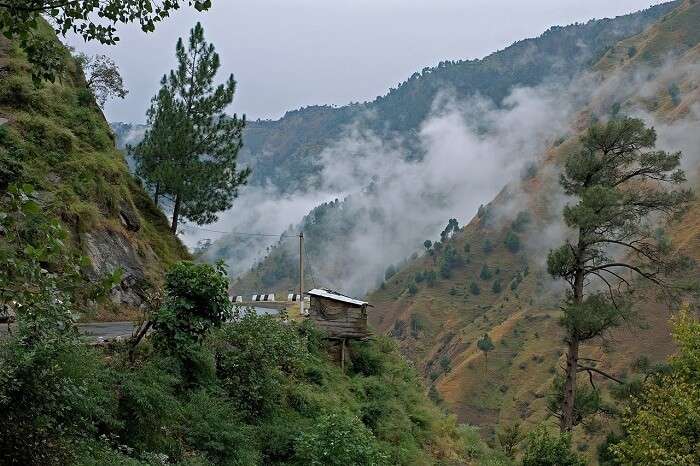
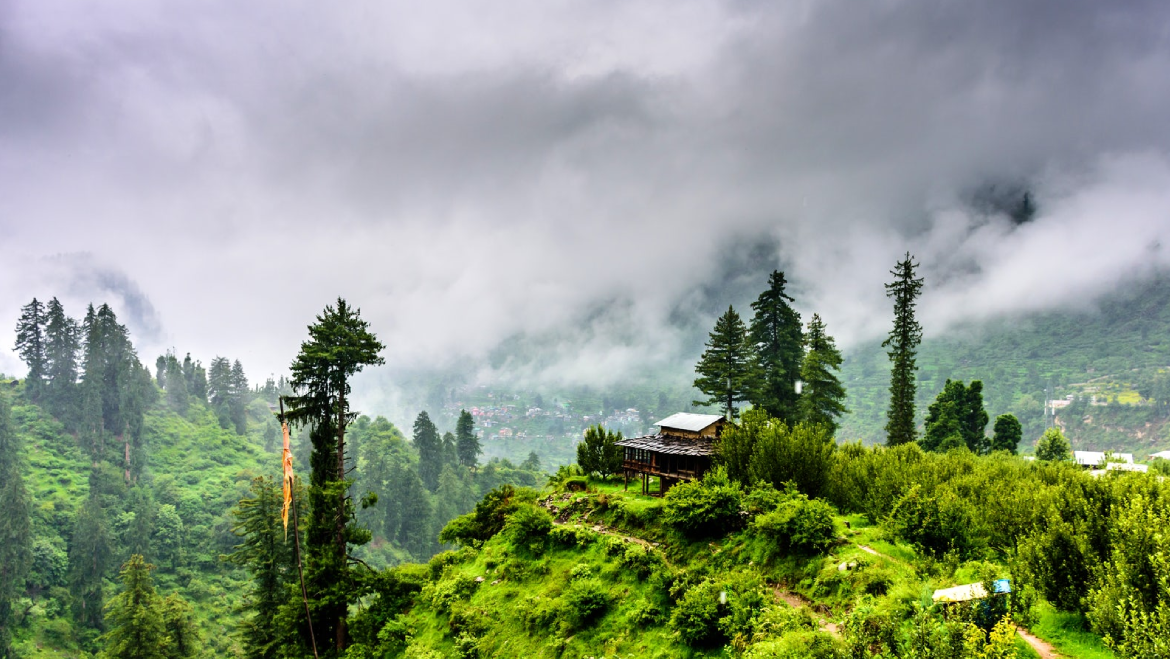
14 Best Things To Do In Kasauli (with photos) In 2023 For An Exciting Trip!

Chandigarh Kasauli Weekend Tour- 2N & 3D Getaway

Key features and attractions of Kasauli include:

  1. Mall Road: Kasauli's Mall Road is a popular place for leisurely walks, shopping, and enjoying local cuisine. The road offers beautiful views of the surrounding hills.

  2. Sunset Point: This viewpoint provides breathtaking views of the sunset over the hills. It's a perfect spot for capturing stunning photographs.

  3. Christ Church: A prominent landmark of Kasauli, Christ Church is an Anglican church with neo-Gothic architecture and stained glass windows.

  4. Monkey Point: This point offers panoramic views of the surrounding valleys and the Sutlej River. A small temple dedicated to Lord Hanuman is also located here.

  5. Gilbert Nature Trail: A picturesque walking trail that leads through forests and offers glimpses of local flora and fauna.

  6. Kasauli Brewery: Established in the 1820s, the Kasauli Brewery is one of the oldest operating distilleries in Asia. It offers guided tours and tastings.

  7. Lower Mall Road: This quieter part of the Mall Road is perfect for those seeking a peaceful stroll amidst nature.

  8. Gurudwara Shri Guru Nanak Ji: A serene and peaceful Sikh Gurudwara offering spiritual solace and panoramic views.

  9. Baptist Church: Another historical church with colonial architecture and a tranquil atmosphere.

  10. Nature Walks: Kasauli is known for its picturesque walking trails, including Lover's Lane and the Lower Mall Road.

  11. Krishna Bhavan Mandir: A revered temple dedicated to Lord Krishna, offering a spiritual and serene setting.

  12. Timber Trail: Located near Kasauli, this cable car ride offers spectacular views of the surrounding mountains and valleys.

  13. Dagshai: A nearby town with an old British-era cantonment, offering historical sites and views of the Himalayas.

Kasauli's relatively less commercialized atmosphere, cool climate, and lush surroundings make it an ideal destination for a peaceful getaway. It's a place to relax, rejuvenate, and appreciate the natural beauty of the region. Whether you're interested in exploring colonial history, taking leisurely walks, or simply enjoying the scenic beauty, Kasauli has something to offer for every traveler.

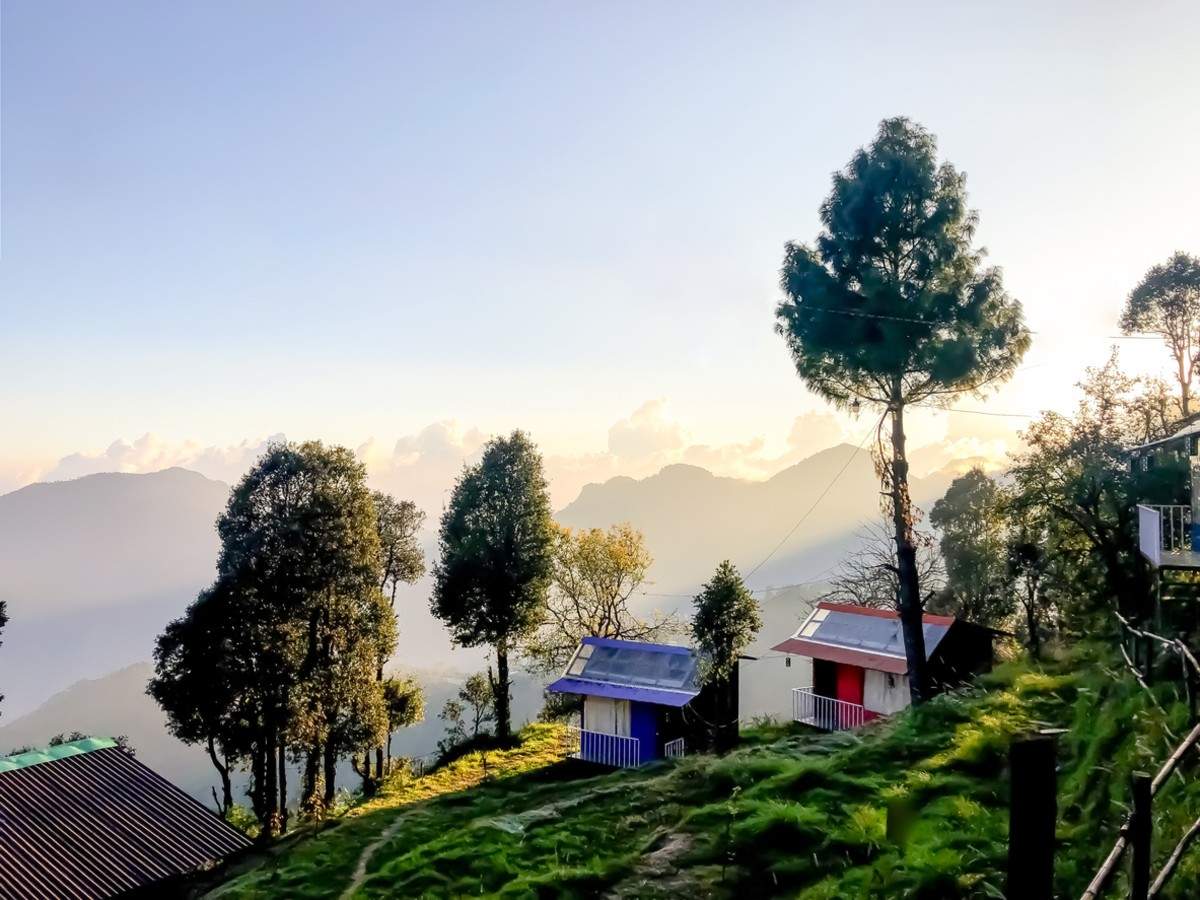
 

Travel to Kanatal Uttarakhand - गुड़गांव के पास कनातल - Kanatal near Gurugram in Hindi

कनाताल एक छोटा सा गांव है जो उत्तराखंड के किसी भी अन्य पर्यटन हिल स्टेशन से बिल्कुल अलग है। अपनी प्राकृतिक सुंदरता और शांति के लिए जाना जाने वाला यह स्थान शहर के शोर से दूर कुछ दिन शांति से जीने के लिए बेस्ट है। यहां के टिहरी बांध से आप हरी भरी हरियाली से घिरे कनातल की खूबसूरती को अपने कैमरे में कैप्चर कर सकते हैं। साथ ही कोडिया जंगल ट्रैकिंग के लिए सबसे अच्छा माना जाता है, यहां आप कैंपिंग का भी पूरा मजा उठा सकते हैं। कैंपसाइट्स के पास रॉक क्लाइंबिंग और रैपलिंग जैसी अन्य रोमांचकारी गतिविधियां भी मौजूद हैं। गुरुग्राम से कनाताल की दूरी 351 किमी है, जहां आप 9 घंटे की ड्राइव में आराम से पहुंच सकते हैं।

 Kanatal  Uttarakhand

Kanatal is a picturesque hill station located in the Indian state of Uttarakhand. Situated in the Tehri Garhwal district, Kanatal is known for its serene landscapes, pleasant climate, and beautiful views of the Himalayas. It offers a peaceful and relatively less crowded alternative to some of the more popular hill stations in the region.

Kanatal, a hidden gem in Uttarakhand, Kanatal - Times of India Travel

Key features and attractions of Kanatal include:

  1. Surkanda Devi Temple: Dedicated to Goddess Surkanda, this temple is located atop a hill and offers panoramic views of the surrounding mountains and valleys.

  2. Kodia Jungle: A dense forest area offering opportunities for nature walks, birdwatching, and enjoying the natural beauty of the region.

  3. Tehri Dam: A short drive from Kanatal, the Tehri Dam is one of the largest hydroelectric projects in the world. The dam's reservoir offers a picturesque backdrop for photography.

  4. New Tehri: Visit the newly developed town of New Tehri, which was built after the old town was submerged due to the construction of the Tehri Dam.

  5. Adventure Activities: Kanatal offers adventure activities like trekking, camping, rappelling, rock climbing, and more.

  6. Kodia Jungle Camp: Experience camping in the midst of nature at Kodia Jungle Camp, where you can enjoy bonfires, stargazing, and outdoor activities.

  7. Trekking Trails: There are various trekking trails around Kanatal that lead through lush forests, meadows, and hills.

  8. Apple Orchards: The region is known for its apple orchards, offering a chance to experience the rural way of life and enjoy the fresh produce.

  9. Chamba: A nearby town known for its temples, Chamba is located on the banks of the River Ravi and offers historical and cultural attractions.

  10. Camp Carnival: A popular adventure camp offering various outdoor activities and experiences for both adults and children.

  11. Budogi Camp: Another campsite that offers adventure activities and camping options for travelers.

  12. Stunning Views: Kanatal offers breathtaking views of the snow-capped Himalayan peaks and lush valleys.

Kanatal's tranquil environment and natural beauty make it a perfect destination for those seeking a peaceful retreat. Whether you're interested in exploring temples, indulging in adventure activities, or simply enjoying the scenic beauty, Kanatal offers a range of experiences for visitors.


Wednesday, September 1, 2021

Experience at Beach in India


Experiencing the beaches in India can be a delightful and diverse adventure, as the country offers a wide range of coastal destinations with unique landscapes, cultures, and activities. Here's what you can expect from a beach experience in India:

  1. Goa Beaches: Goa is perhaps the most famous beach destination in India, known for its lively atmosphere, palm-fringed shores, and vibrant nightlife. From the popular Baga Beach to the more serene Agonda Beach, Goa offers a mix of relaxation, water sports, beach parties, and cultural exploration.

  2. Kerala Beaches: The beaches in Kerala, such as Kovalam and Varkala, offer a more tranquil and scenic experience. You can enjoy Ayurvedic massages, take leisurely strolls, and explore the unique cliffside surroundings of Varkala.

  3. Andaman and Nicobar Islands: This archipelago in the Bay of Bengal boasts pristine, white-sand beaches and crystal-clear waters. Radhanagar Beach in Havelock Island is consistently rated as one of the best beaches in Asia.

  4. Gokarna Beaches: Gokarna, located in Karnataka, offers a mix of spirituality and beach relaxation. Om Beach and Kudle Beach are popular spots for sunbathing, beach yoga, and enjoying the peaceful surroundings.

  5. Puducherry Beaches: The beaches in Puducherry (formerly Pondicherry) are known for their French colonial architecture and serene ambiance. Promenade Beach and Paradise Beach are particularly popular.

  6. Maharashtra Beaches: The beaches along the Konkan coast, like Ganpatipule and Alibaug, provide a more secluded and rustic experience, with beautiful coastal landscapes and local culture.

  7. Odisha Beaches: Puri Beach is a significant pilgrimage site and a popular beach destination. The annual Rath Yatra festival draws thousands of devotees and tourists alike.

  8. Marina Beach, Chennai: Marina Beach is one of the longest urban beaches in the world and offers a lively atmosphere with food stalls, street vendors, and recreational activities.

  9. Water Sports and Activities: Many Indian beaches offer a range of water sports, including snorkeling, scuba diving, jet skiing, parasailing, and banana boat rides.

  10. Sunset Views: Watching the sunset over the Arabian Sea or the Bay of Bengal can be a breathtaking experience at many of India's beaches.

  11. Local Cuisine: Enjoying fresh seafood and local coastal cuisine is a highlight of any beach experience in India. Beachside shacks and restaurants offer a variety of delicious dishes.

  12. Cultural Exploration: Some beaches have nearby villages or towns where you can explore local traditions, markets, and festivals.

It's important to note that beach experiences can vary greatly depending on the destination and time of year. While some beaches are bustling with activity and entertainment, others offer solitude and tranquility. Before visiting, it's a good idea to research the specific beach you plan to visit, consider the local culture and customs, and pack accordingly for your beach vacation in India.


Tuesday, August 24, 2021

Important tourism festival of India


Festival tourism in India is a significant aspect of the country's tourism industry. India's rich cultural diversity and heritage are showcased through a multitude of festivals celebrated throughout the year. These festivals offer tourists a unique opportunity to experience the vibrant colors, traditions, rituals, music, dance, and local cuisine of different regions. Here are some key points about festival tourism in India:

  1. Cultural Showcase: Festivals in India provide a platform to showcase the country's diverse cultures, languages, and traditions. Tourists can witness traditional rituals, ceremonies, and artistic performances that are deeply rooted in local heritage.

  2. Tourist Attractions: Many festivals are celebrated at historic or iconic locations, enhancing their appeal to tourists. For example, the Kumbh Mela takes place at the confluence of sacred rivers, and events like the Pushkar Camel Fair are held in picturesque settings.

  3. Local Engagement: Festival tourism allows tourists to engage with local communities and gain insights into their way of life. Interacting with locals during festivals can provide a more immersive and authentic travel experience.

  4. Economic Boost: Festivals contribute to the local economy by attracting tourists, creating demand for accommodation, transportation, food, handicrafts, and other services. This influx of visitors often provides a boost to the livelihoods of local communities.

  5. Promotion of Lesser-Known Destinations: Some festivals are celebrated in offbeat or lesser-known destinations. These festivals help promote tourism in these areas, diversifying the tourist footfall and reducing the strain on popular tourist spots.

  6. Global Appeal: Festivals like Diwali (Festival of Lights) and Holi (Festival of Colors) have gained international recognition and draw tourists from around the world who are eager to experience these unique celebrations.

  7. Culinary Delights: Festivals often feature traditional and regional foods that give tourists a chance to savor local delicacies and experience the diverse culinary landscape of India.

  8. Photographic Opportunities: The colorful and vibrant nature of Indian festivals provides excellent opportunities for photography enthusiasts to capture stunning images of cultural events, people, and celebrations.

  9. Tour Packages: Travel agencies and tour operators offer festival-themed tour packages that allow tourists to experience the festivals while also exploring nearby attractions.

  10. Preservation of Traditions: Festival tourism can also play a role in preserving and promoting traditional art forms, crafts, music, and dance forms that might otherwise be fading away due to modernization.

Some popular festival tourism destinations in India include the Jaipur Literature Festival, Goa Carnival, Hampi Utsav, Jaisalmer Desert Festival, and many more. However, it's important to plan ahead and be aware of the dates and specific cultural practices associated with each festival to fully enjoy and respect the experience.

India is renowned for its diverse and vibrant festivals that reflect its rich cultural heritage and religious traditions. Here are a few notable festivals celebrated across the country:

  1. Diwali (Deepavali): Known as the "Festival of Lights," Diwali is one of the most popular Hindu festivals. It signifies the triumph of light over darkness and good over evil. People illuminate their homes with lamps and candles, exchange gifts, and enjoy festive sweets and fireworks.

  2. Holi: Holi, the "Festival of Colors," is celebrated with great enthusiasm. People throw colored powders and water at each other, symbolizing the arrival of spring and the victory of good over evil. It's a joyful and exuberant celebration.

  3. Eid al-Fitr: This Muslim festival marks the end of Ramadan, the holy month of fasting. It is a time for communal prayers, feasting, giving to charity, and spending time with family and friends.

  4. Christmas: Although a Christian festival, Christmas is celebrated with fervor in India, especially in regions with a significant Christian population. Churches are adorned, and people exchange gifts to celebrate the birth of Jesus Christ.

  5. Ganesh Chaturthi: This Hindu festival celebrates the birth of Lord Ganesha, the elephant-headed god of wisdom and prosperity. Elaborate idols of Lord Ganesha are installed in homes and public places, and processions mark the culmination of the festival.

  6. Navaratri and Durga Puja: Navaratri is a nine-night festival dedicated to the goddess Durga. In West Bengal, it's celebrated as Durga Puja with grand pandals (decorated temporary structures) and idols of the goddess. The festival culminates with the immersion of Durga idols in water.

  7. Pongal/Makar Sankranti: Celebrated in South India, Pongal marks the harvest season. People prepare a special dish called Pongal, decorated with colorful kolams (rangoli patterns), and fly kites as part of Makar Sankranti celebrations.

  8. Onam: A major festival in Kerala, Onam is a harvest festival celebrated with boat races, traditional dance forms like Kathakali, and an elaborate vegetarian feast called Onam Sadya.

  9. Raksha Bandhan: This festival celebrates the bond between siblings. Sisters tie a protective thread (rakhi) around their brothers' wrists, and brothers offer gifts in return.

  10. Lohri: Celebrated predominantly in North India, Lohri marks the end of winter and the arrival of longer days. People gather around bonfires, sing folk songs, and toss offerings into the fire.

  11. Janmashtami: This festival celebrates the birth of Lord Krishna. Devotees fast, sing devotional songs, and enact scenes from Krishna's life.

  12. Eid al-Adha: Also known as Bakrid, this Muslim festival commemorates the willingness of Ibrahim (Abraham) to sacrifice his son as an act of obedience to God. It involves communal prayers and the sacrifice of animals.


Two important tourism festivals in India are:

  1. Kumbh Mela: Kumbh Mela is one of the largest religious and cultural gatherings in the world. It is a Hindu festival held at four different locations in India: Prayagraj (formerly Allahabad), Haridwar, Nashik, and Ujjain. The festival occurs every 12 years at each location, rotating among them. However, a smaller version called Ardh Kumbh Mela is held every 6 years at Haridwar and Allahabad. Pilgrims from all over India and the world gather to take a holy dip in the sacred rivers during this festival, which is believed to cleanse them of sins and grant spiritual blessings.

  2. Goa Carnival: The Goa Carnival is a vibrant and lively annual festival held in the state of Goa, known for its beautiful beaches and Portuguese-influenced culture. The carnival usually takes place in February or March, right before the Christian season of Lent. It is a colorful and energetic celebration characterized by parades, music, dance, elaborate costumes, and floats. The festivities are a blend of local and Portuguese traditions and attract both domestic and international tourists.

These festivals showcase the cultural diversity, religious fervor, and festive spirit of India, making them significant attractions for tourists looking to experience the country's rich heritage. Please note that my knowledge is based on information available up to September 2021, and there might have been developments or changes since then.


Various tourism programmes intended

Tourism programs are initiatives and activities designed to attract visitors, promote destinations, and enhance the overall travel experience. These programs can range from cultural events and festivals to adventure tours and sustainable travel initiatives. Here are various types of tourism programs that are often implemented to attract tourists and provide diverse experiences:

  1. Cultural Tourism Programs:

    • Festivals and Events: Organizing cultural festivals, music events, art exhibitions, and food fairs to showcase local traditions and heritage.
    • Cultural Heritage Tours: Guided tours of historical sites, monuments, museums, and cultural landmarks.
  2. Adventure and Ecotourism Programs:

    • Adventure Tours: Offering activities like trekking, mountain biking, rock climbing, and river rafting to cater to adventure enthusiasts.
    • Ecotourism Initiatives: Promoting responsible travel that focuses on conservation, environmental awareness, and sustainable practices.
  3. Wildlife and Nature Tourism Programs:

    • Wildlife Safaris: Organizing tours to national parks, wildlife reserves, and sanctuaries for wildlife watching and photography.
    • Birdwatching Tours: Guided tours to observe a variety of bird species in their natural habitats.
  4. Medical and Wellness Tourism Programs:

    • Medical Tourism: Offering healthcare services, surgeries, and wellness treatments to international travelers.
    • Wellness Retreats: Providing relaxation, yoga, meditation, and spa experiences to promote well-being.
  5. Culinary and Food Tourism Programs:

    • Food Tours: Guided tours of local markets, cooking classes, and culinary experiences to showcase regional cuisine.
    • Food Festivals: Celebrating local and international flavors through food-focused events.
  6. Educational and Learning Tourism Programs:

    • Educational Tours: Organizing trips for students and learners to historical sites, museums, and cultural institutions.
    • Language and Cultural Immersion: Programs that allow travelers to learn a new language or immerse themselves in local traditions.
  7. Volunteer and Community Tourism Programs:

    • Volunteer Tourism (Voluntourism): Engaging tourists in community development, conservation projects, and social initiatives.
    • Homestays and Local Experiences: Providing opportunities for travelers to stay with local families and engage in their daily routines.
  8. Special Interest and Niche Tourism Programs:

    • Religious and Spiritual Tours: Pilgrimages, visits to sacred sites, and spiritual retreats.
    • Film Tourism: Capitalizing on locations featured in popular films and TV shows.
  9. Heritage and Rural Tourism Programs:

    • Rural Homestays: Staying with rural communities to experience traditional lifestyles and engage in rural activities.
    • Heritage Walks: Guided tours through historical neighborhoods, showcasing architecture and cultural heritage.
  10. Sustainable Tourism Initiatives:

    • Eco-Friendly Tours: Promoting low-impact travel, responsible tourism practices, and conservation efforts.
    • Green Certifications: Recognizing accommodations and tour operators that adhere to sustainable practices.


  1. Sustainable Tourism Initiatives: Many destinations were focusing on promoting sustainable tourism practices in 2021, including efforts to minimize environmental impact, support local communities, and preserve cultural heritage.

  2. Virtual and Digital Tourism Experiences: Due to the COVID-19 pandemic, virtual tourism experiences, online tours, and digital events were being organized to allow people to explore destinations from the comfort of their homes.

  3. Domestic Tourism Campaigns: In response to travel restrictions, many countries were launching domestic tourism campaigns to encourage citizens to explore their own country and support local businesses.

  4. Cultural and Heritage Festivals: Some destinations were planning to organize cultural and heritage festivals to showcase local traditions, arts, and cuisines.

  5. Adventure Tourism Promotion: Adventure tourism programs, such as hiking, trekking, and eco-tourism, were being promoted in regions known for their natural beauty and outdoor activities.

  6. Wellness and Health Tourism: Wellness retreats, spa experiences, and health-focused travel programs were gaining popularity as people sought relaxation and rejuvenation.

  7. Culinary Tourism Initiatives: Destinations were organizing food and culinary festivals to highlight their unique cuisines and culinary traditions.

  8. Cruise and Water-based Tourism: Cruise liners and water-based tourism activities were being planned in regions with access to oceans, rivers, and lakes.

  9. Cultural Exchange Programs: Some regions were initiating cultural exchange programs to foster understanding between tourists and local communities.

  10. Sports and Adventure Events: Sporting events, marathons, and adventure challenges were being organized to attract sports enthusiasts and adventure seekers.

  11. Eco-Tourism and Wildlife Conservation: Eco-tourism initiatives were being developed to promote responsible travel to natural habitats while supporting wildlife conservation efforts.

  12. Heritage Site Restoration: Initiatives to restore and preserve heritage sites were being carried out to attract tourists interested in historical and architectural landmarks.

  These are just a few examples of the diverse range of tourism programs that destinations and travel organizations may implement to attract visitors with varying interests. The key is to create experiences that align with the preferences of different types of travelers while also prioritizing responsible and sustainable practices.

Choosing career in tourism sector during lockdown is right or not


Choosing a career in the tourism sector during a lockdown or uncertain times requires careful consideration and assessment of the current circumstances. Here are some factors to consider when making this decision:

1. Industry Impact: The tourism sector is highly sensitive to economic fluctuations and external events, such as the COVID-19 pandemic. Lockdowns and travel restrictions can severely impact tourism-related businesses, leading to job losses and reduced opportunities. Before entering the industry, research the current state of the sector and its recovery prospects.

2. Long-Term vs. Short-Term: Consider whether you are looking for a short-term job or a long-term career. If you're seeking immediate income, a short-term job in the tourism sector might provide temporary relief. However, if you're considering a long-term career, assess the sector's stability and growth potential post-lockdown.

3. Adaptability: The tourism industry can be volatile, but it also has the potential to rebound quickly once travel restrictions ease. Being adaptable and open to different roles within the sector could increase your chances of finding employment even during uncertain times.

4. Skill Development: Use any downtime during the lockdown to enhance your skills, such as learning languages, gaining digital marketing skills, or understanding online booking systems. These skills can make you more competitive when the industry picks up again.

5. Passion: If you're genuinely passionate about travel and hospitality, pursuing a career in the tourism sector might still be a rewarding choice. However, be prepared for potential challenges and fluctuations in demand.

6. Diversification: If you're uncertain about the stability of the tourism sector, consider diversifying your skills or exploring related industries, such as event planning, hospitality management, or digital marketing.

7. Networking: Building a strong network within the industry can provide you with valuable insights, job opportunities, and a better understanding of the current situation.

8. Remote Opportunities: Some tourism-related roles can be conducted remotely, such as travel writing, content creation, digital marketing, and online travel agency management. These options can offer more flexibility during uncertain times.

9. Research and Planning: Before making a decision, research specific job opportunities, demand trends, and potential employers within the tourism sector. Having a clear understanding of the market can help you make an informed decision.

In conclusion, choosing a career in the tourism sector during a lockdown requires careful evaluation of the current conditions, future prospects, and your personal circumstances. While the industry can be challenging during uncertain times, it also has the potential for recovery and growth as travel restrictions ease. Consider your own goals, adaptability, and willingness to navigate potential challenges before making a decision.


Thursday, August 5, 2021

If we travel by plane do we get quarantined


Whether travelers are required to quarantine upon arrival after traveling by plane depends on several factors, including the destination, the current COVID-19 situation, and the regulations set by the local authorities.

some general information, but it's important to note that these regulations can change rapidly due to the evolving nature of the pandemic. Always check the latest travel advisories and government guidelines before making any travel plans. Here are some considerations:

  1. Destination Rules: Different countries and regions have varying entry requirements for travelers. Some destinations might require all incoming travelers to undergo quarantine, while others might have specific rules based on factors like vaccination status, recent test results, or origin of travel.

  2. Vaccination Status: Some countries may have different quarantine rules for vaccinated and unvaccinated travelers. If you are fully vaccinated, you might be exempt from certain quarantine requirements or have reduced quarantine periods in some destinations.

  3. Testing Requirements: Many countries require travelers to provide negative COVID-19 test results taken within a specific timeframe before departure. Some destinations may waive or reduce quarantine for travelers with recent negative test results.

  4. Quarantine Duration: Quarantine periods can vary widely, from a few days to two weeks. Some destinations may have options for shorter quarantine periods if you test negative after arrival.

  5. Type of Travel: The purpose of your travel might also impact quarantine requirements. Business travelers, tourists, and returning residents might face different rules.

  6. Transit Rules: If you're transiting through a country, you may not need to quarantine if you remain within the airport or adhere to specific transit rules.

  7. Changes in Rules: Quarantine rules can change suddenly based on the COVID-19 situation in a particular destination. Always stay updated on the latest regulations.

  8. Health Declarations: Many countries require travelers to fill out health declarations and provide information about recent travel and health status before arrival.

Remember that quarantine requirements are designed to prevent the spread of COVID-19 and protect public health. They are subject to change based on the evolving situation, vaccination rates, and government policies. It's important to thoroughly research the entry requirements and quarantine rules of your destination before traveling. Check official government websites, embassy or consulate websites, and contact local health authorities for the most accurate and up-to-date information.